
The Confrontation over Race and Justice
Just MercyThis thread follows how racial hierarchy shapes Walter’s arrest, trial, legal appeals, and the wider meaning Bryan draws from the case.
increasing Bearing strength in each event
 decreasing
Bearing strength in each eventdecreasingAn Interracial Affair
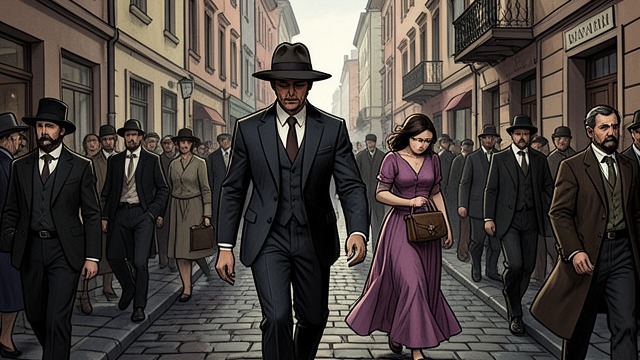
Crossing a Forbidden Line
Private choices become public
Walter’s relationship with Karen Kelly becomes a source of scandal in a community shaped by racial hierarchy.
Old laws and fears
The history of anti-miscegenation laws and lynching makes the relationship dangerous, giving prejudice a ready-made story about Walter’s character.
A Racialized Arrest
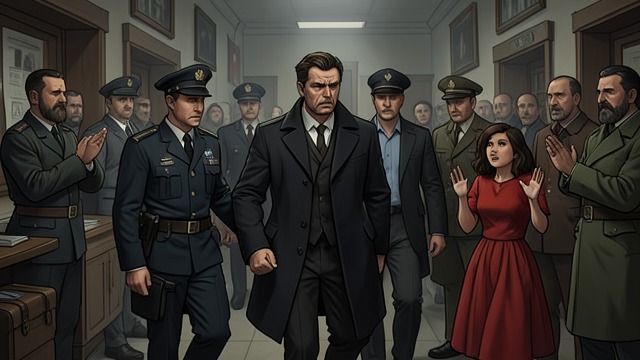
Threats and Humiliation
An arrest on a pretext
Officers stop Walter and arrest him on a sodomy charge while building their murder case.
Terror invoked openly
Tom Tate uses racial slurs and threatens lynching. Historical violence becomes a present instrument of intimidation.
A Jury Shaped by Exclusion
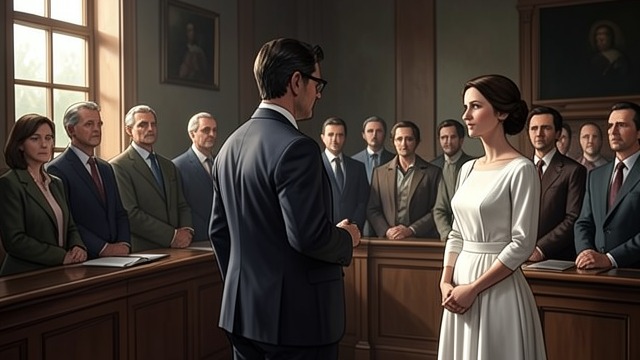
The Trial’s Racial Structure
A venue shift
Walter’s case moves from a county with a substantial Black population to a whiter, more conservative county.
Discriminatory selection
Prosecutors strike nearly all Black prospective jurors. The all-white jury convicts despite evidence that should have created reasonable doubt.
The Courtroom Dog
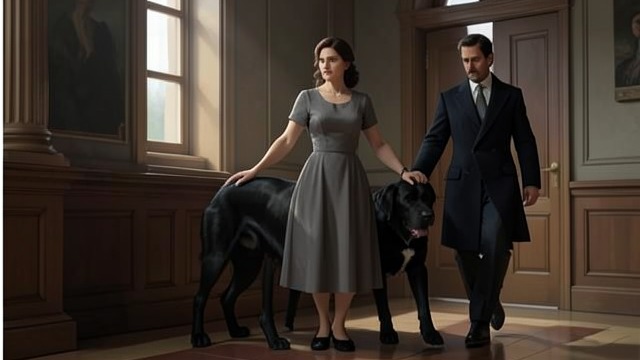
A History Reappears
Supporters are blocked
Black community members are initially denied entry to the hearing while State supporters occupy the courtroom.
Memory at the doorway
Mrs. Williams sees the dog guarding the entrance and recalls police dogs used against marchers in Selma. She returns the next day and insists on being present.
A Historical Framework
Four Inherited Institutions
History in the present
Bryan describes slavery, racial terror, Jim Crow, and mass incarceration as connected forces shaping criminal justice.
A demand for truth
He argues that present inequality cannot be understood without confronting the past, rather than treating each injustice as isolated or accidental.
1986
June 1987
August 1988
During the Rule 32 hearing
Near the end of the book
